



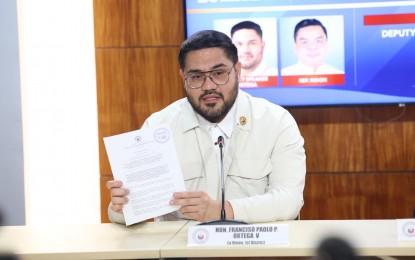

Iginiit ni Deputy Speaker Paolo Ortega V ng La Union na hindi dapat ikumpara ang emergency-based remote voting mechanism ng House of Representatives sa mga panukalang palawakin ang virtual participation sa Senado bago ang impeachment trial ni Vice President Sara Duterte.
Ayon kay Ortega, limitado ang House remote participation sa emergencies, pandemics, extraordinary circumstances, at ilang official functions. Hindi aniya ito ginawa bilang kapalit ng physical attendance, lalo na sa proceedings na may kinalaman sa national interest.
“The House framework was crafted as a practical and limited mechanism during extraordinary circumstances, and it has been applied under defined parameters during the pandemic period,” ani Ortega.
Inilabas ni Ortega ang pahayag matapos banggitin ni SAGIP Party-list Rep. Paolo Henry Marcoleta ang House practices para depensahan ang mga proposal na payagan ang senators na makilahok at bumoto remotely sa Senate proceedings.
Pero ayon kay Ortega, hindi binabanggit ni Marcoleta ang mismong limitasyon sa Rules of the House of Representatives ng 20th Congress.
“Hindi po pwedeng piliin lang ang bahagi ng rules na convenient sa argumento. Kapag binasa mo nang buo ang House rules, malinaw na ang virtual participation ay exception, hindi default mode ng lehislatura,” ani Ortega.
Tinukoy ni Ortega ang Section 89 ng House Rules, na nagpapahintulot ng sessions sa pamamagitan ng electronic platforms kapag ang attendance ay naging “extremely difficult or impossible.” Kabilang dito ang natural calamities, pandemics, strikes, riots, o civil disturbances, at kailangan ding may “urgent necessity” para aksyunan ang legislation.
“Napakalinaw ng Section 89. Hindi ito ginawa para sa convenience. Hindi ito ginawa para makaiwas sa pagharap sa plenaryo. Ginawa ito para matiyak na tuloy ang trabaho ng Kongreso kapag may emergency o extraordinary circumstances,” sabi niya.
Binanggit din ni Ortega ang Section 71, na kumikilala lamang sa limitadong exemptions sa physical attendance para sa official duties gaya ng committee hearings, bicameral conference meetings, sessions ng Commission on Appointments, House Electoral Tribunal proceedings, at missions na inawtorisa ng Speaker.
“The rules are still anchored on physical attendance. The exemptions are narrowly defined and supported by clear justification. They were never intended to serve as an open-ended authority to turn normal legislative proceedings into virtual sessions,” paliwanag niya.
Nagbabala rin si Ortega laban sa paggamit ng emergency-era rules para bigyang-katwiran ang remote participation sa proceedings na kasing bigat ng impeachment trial.
“Kapag usapin na may constitutional gravity, public accountability at national interest, personal presence, direct participation and full transparency is most needed,” ani Ortega.
Dagdag pa niya, hindi dapat gawing ordinaryong practice ang isang extraordinary process gamit ang emergency provisions.
“Huwag nating gamitin ang emergency provisions ng House rules para bigyang-katwiran ang paggawa ng extraordinary process bilang ordinaryong practice,” sabi ni Ortega.
Ayon sa Deputy Speaker, malinaw ang pagkakaiba: ang House remote participation ay mekanismong pang-emergency, hindi shortcut para umiwas sa plenaryo o para gawing virtual ang normal na legislative proceedings. /Bistado