



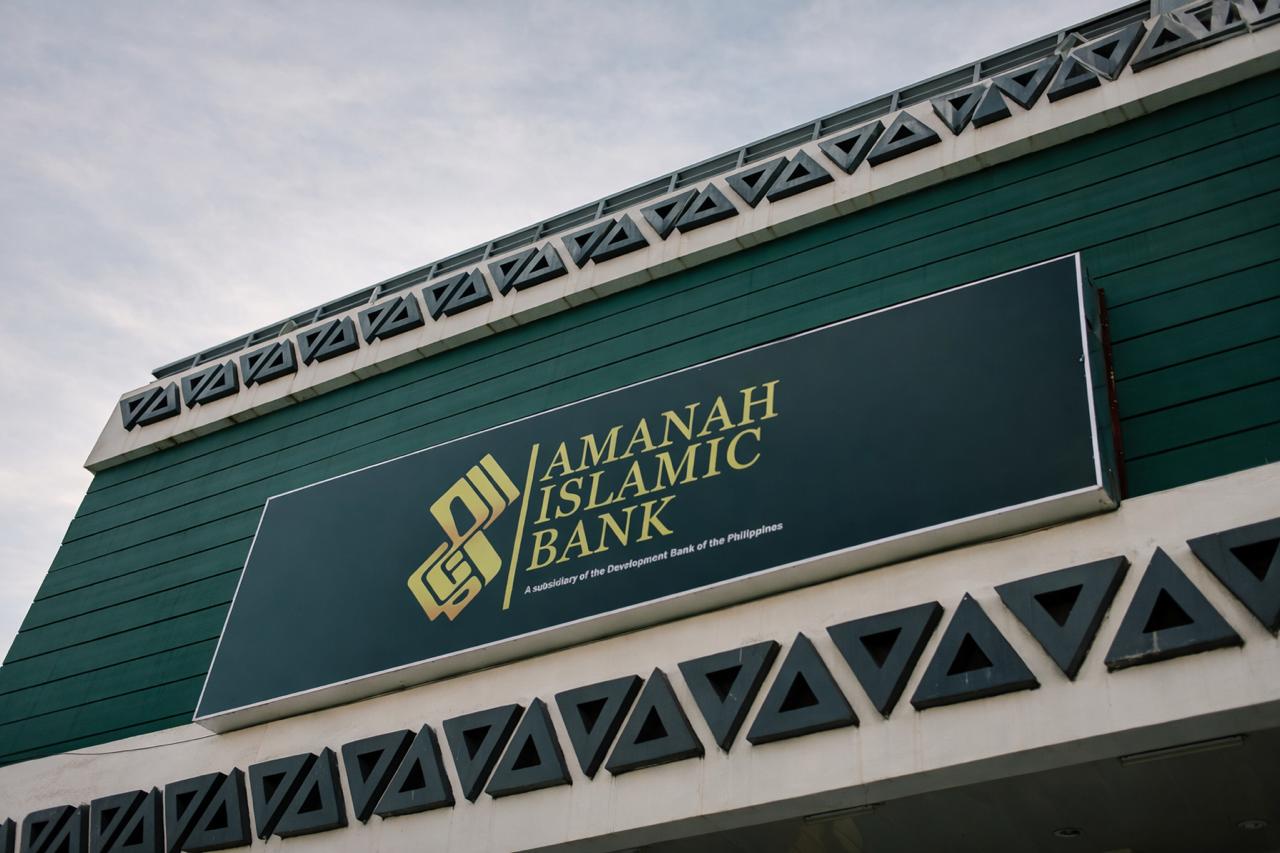

Tututukan ng state-owned Al-Amanah Investment Bank of the Philippines ang pagpapalawak ng access sa kapital ng micro, small and medium enterprises (MSMEs) na gustong pumasok o lumawak sa halal industry.
Ginawa ni Al-Amanah Bank Chairperson at Chief Executive Officer Amenah Pangandaman ang commitment sa Philippine Halal Industry Summit noong Sabado, September 19.
Kasalukuyan pang tinutukoy ng bangko kung magkano ang kabuuang pondong ilalaan para suportahan ang MSMEs.
Target ng Al-Amanah na matulungan ang maliliit na negosyong nahihirapang makakuha ng kapital dahil hindi pasok sa karaniwang requirements ng ibang bangko.
“We have the demand to fill, we have our people to do the job, we have a huge market waiting for us, but without the capital, the financing, it will always be an arduous task to get out of that niche market concept attached to halal,” ani Pangandaman.
Ayon sa kanya, bumubuo ang MSMEs ng 99.5 porsiyento ng business establishments sa Pilipinas, pero nananatiling problema ang pagpopondo sa mga gastusing kailangan para makapasok sa halal market.
Giit ni Pangandaman, hindi dapat matapos sa production capital ang financing.
“Financing for our MSMEs must support the entire value chain. It is not enough that we provide their capital for production, as it is still a long journey as we move toward certification, logistics, scaling up, and eventually exporting,” paliwanag niya.
Makikipagtulungan ang Al-Amanah sa Department of Trade and Industry para pondohan ang halal expansion, kabilang ang accreditation fees at halal slaughterhouse facilities.
Makikipag-partner din ang bangko sa Cooperative Development Authority para suportahan ang pagpapalawak ng mga kooperatibang sangkot sa halal industry.
Napagkasunduan din ng Al-Amanah at National Commission on Muslim Filipinos na isulong ang memorandum of understanding para sa Islamic financing support sa MSMEs at halal certifying bodies.
“There is no denying that halal certification, here and elsewhere, can be difficult, extensive, and costly for MSMEs, but the returns for both consumers and businesses are also abundant,” ani Pangandaman.
“As we work toward accessible and understandable certification, we must also put in mind that it should not become an unnecessary hurdle for our MSMEs,” dagdag niya.
Tinatayang aabot sa $10 trillion ang global halal industry pagsapit ng 2030 mula sa kasalukuyang tinatayang $4 trillion, bunsod ng lumalaking Muslim population at ethical consumerism.
Sa ilalim naman ng Philippine Halal Industry Development Strategic Plan, target ng gobyerno na makakuha ng ₱230 bilyong investments pagsapit ng 2028, doblehin mula 3,000 tungong 6,000 ang halal-certified products at services, at makalikha ng 120,000 trabaho. /Bistado