




Vague at walang pangil.
Ganito inilarawan ni Renato Reyes Jr., pangulo ng Bagong Alyansang Makabayan (BAYAN), ang deklarasyon ng state of national energy emergency ng administrasyon ni Pangulong Ferdinand Marcos Jr.
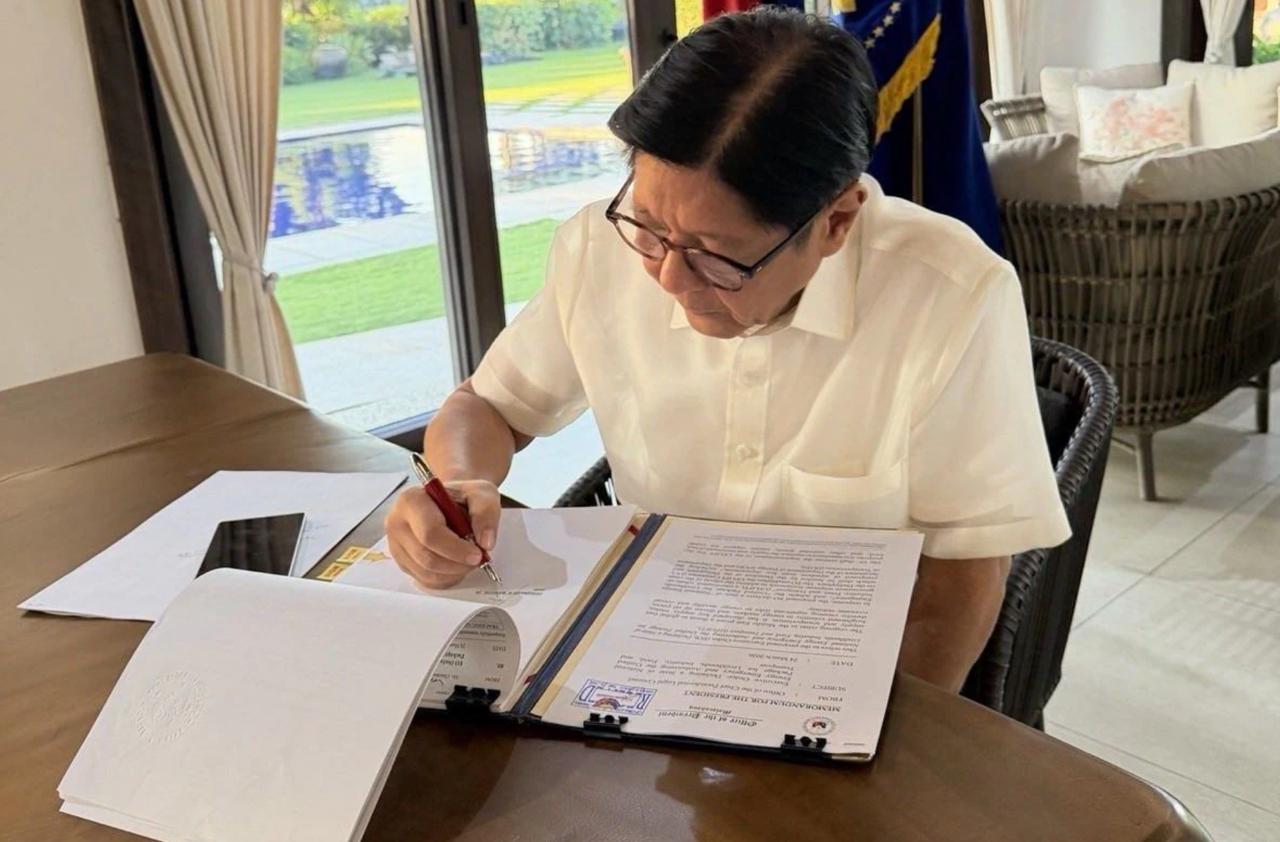
Idineklara ni Marcos Jr. ang emergency sa pamamagitan ng paglagda sa Executive Order No. 110 (EO 110), isang araw matapos igiit ng kanyang administrasyon na “walang oil crisis” sa bansa at iugnay ang pagtaas ng presyo ng langis sa tinawag na “price disruption.”
“The Secretary of Energy has determined that the foregoing circumstances pose an imminent danger of a critically low energy supply and that urgent measures are necessary to ensure the stability and adequacy of the country’s energy supply,” paliwanang ng EO 110.
Dagdag nito, “The declaration of a state of national energy emergency will enable the government…to implement responsive and coordinated measures under existing laws to address the risks posed by disruptions in the global energy supply and the domestic economy.”
Nakasaad din sa kautusan na ang state of national energy emergency ay magiging effective for one year.
Sa ilalim ng kautusan, ipatutupad ang tinatawag na Unified Package for Livelihood, Industry, Food and Transport (UPLIFT) bilang “whole-of-government response” sa epekto ng tumataas na presyo ng langis.
Pero duda ang mga kritiko sa nasabing EO.
“The EO put together the different government responses under one package called UPLIFT…[but] the EO does not address the basic problem of runaway oil prices and its effects on the mass transport system and other sectors in the country,” paliwanag ni Reyes sa isang pahayag na inilabas sa social media site na Facebook.
“It does not mention removing or suspending oil taxes, which is at the core of the people’s demands. It does not state what actions will be taken against hoarding, profiteering and supply manipulation in relation to oil prices and the current deregulated regime,” dagdag niya.
Kabilang sa mga inilatag ng pamahalaan ang fuel subsidies at targeted assistance para sa mga sektor na apektado ng pagtaas ng presyo ng petrolyo.
Ngunit ayon kay Reyes, hindi sapat ang mga hakbang na ito para tugunan ang sitwasyon sa transport sector.
“It mentions fuel subsidies and commuter fare subsidies but falls short of addressing the reality of the mass transport crisis as many public transport operators are now discouraged from operating due to high oil prices,” ani Reyes.
Pinuna rin ni Reyes ang probisyon sa EO na nag-aatas sa Department of Trade and Industry na magpatupad ng mga remedyo laban sa labis na pagtaas ng presyo ng mga pangunahing bilihin.
“The provisions regarding the DTI implementing ‘remedies’ to excessive and unreasonable price increases on basic necessities and prime commodities are vague and have no teeth. Where are the needed price controls?” tanong niya.
Sa ilalim ng EO 110, hinihimok ang local government units na makipagtulungan sa national government sa pamamagitan ng pagpapatupad ng mga hakbang sa kani-kanilang nasasakupan na aayon sa mga polisiya at direktiba ng mga ahensya, at maglaan ng kinakailangang pondo at tauhan para mabawasan ang epekto ng pagkagambala sa pandaigdigang suplay ng langis.
Pero hirit ni Reyes, “The people are not comforted nor assuaged by the government’s response to the crisis,” sabay paalalang ito mismo ang dahil kung bakit may malawakang transport strike na ikakasa simula sa Huwebes, March 26. /Bistado